


8 Options for the Best Treatment for Thinning Hair in 2025
- Charis Aesthetics
- Aug 22, 2025
- 17 min read

Thinning hair can be a deeply personal and often frustrating experience, impacting confidence and self-image. With countless products and procedures promising miraculous results, finding a genuine solution can feel overwhelming. The truth is, there isn't a single 'magic bullet'; the best treatment for thinning hair is one that aligns with your specific type of hair loss, lifestyle, and goals. This guide is designed to cut through the noise, offering a detailed, science-backed comparison of the top eight treatments available today. We are moving past generic advice to provide a clear, actionable roadmap to hair restoration.
This comprehensive roundup will explore everything from clinically-proven medications like Minoxidil and Finasteride to advanced in-clinic procedures such as Platelet-Rich Plasma (PRP) therapy. We will also delve into the specifics of surgical solutions, effective home-use devices, and the vital role of nutrition in supporting hair health. Our goal is to empower you with the knowledge needed to navigate your options confidently.
By breaking down how each option works, its distinct pros and cons, and who it is best suited for, you will be equipped to make an informed decision. Whether you are in Lancashire exploring aesthetic treatments or simply starting your research from home, this article will serve as your practical guide. Consider this your first confident step towards understanding the most effective pathways to reclaiming a fuller, healthier head of hair. We will help you identify a solution that is not just popular, but is genuinely right for you.
1. Minoxidil (Topical Solution)
Minoxidil is one of the most recognised and clinically proven treatments for thinning hair. As an over-the-counter topical solution, it represents a highly accessible first step for many individuals noticing hair loss. Originally developed as an oral medication to treat high blood pressure, its hair-growing properties were discovered as a serendipitous side effect.
How Minoxidil Works
This treatment works as a vasodilator, meaning it widens the blood vessels. When applied directly to the scalp, Minoxidil increases blood flow to the hair follicles. This enhanced circulation delivers more oxygen, blood, and vital nutrients to the follicular cells. The primary effects are twofold: it revitalises shrunken follicles and extends the anagen (growth) phase of the hair cycle. This process results in thicker, longer hair strands over time and can help slow or stop hair loss in many users.
Minoxidil doesn't create new hair follicles. Instead, it reactivates dormant ones and improves the health and thickness of existing hair, making it a powerful tool against follicular miniaturisation common in androgenetic alopecia.
Proven Efficacy and Results
Clinical evidence strongly supports Minoxidil as a best treatment for thinning hair. The well-known brand Rogaine, for instance, demonstrated a significant 35% more hair regrowth in men during its clinical trials. Further studies have shown compelling results:
For Men: Research indicates that approximately 40% of men experienced moderate to dense hair regrowth after 48 weeks of consistent use.
For Women: A separate 48-week study on women showed a notable 19% increase in hair count, highlighting its efficacy across genders.
To help you understand the commitment and potential results at a glance, this summary box visualises the key data points associated with Minoxidil treatment.
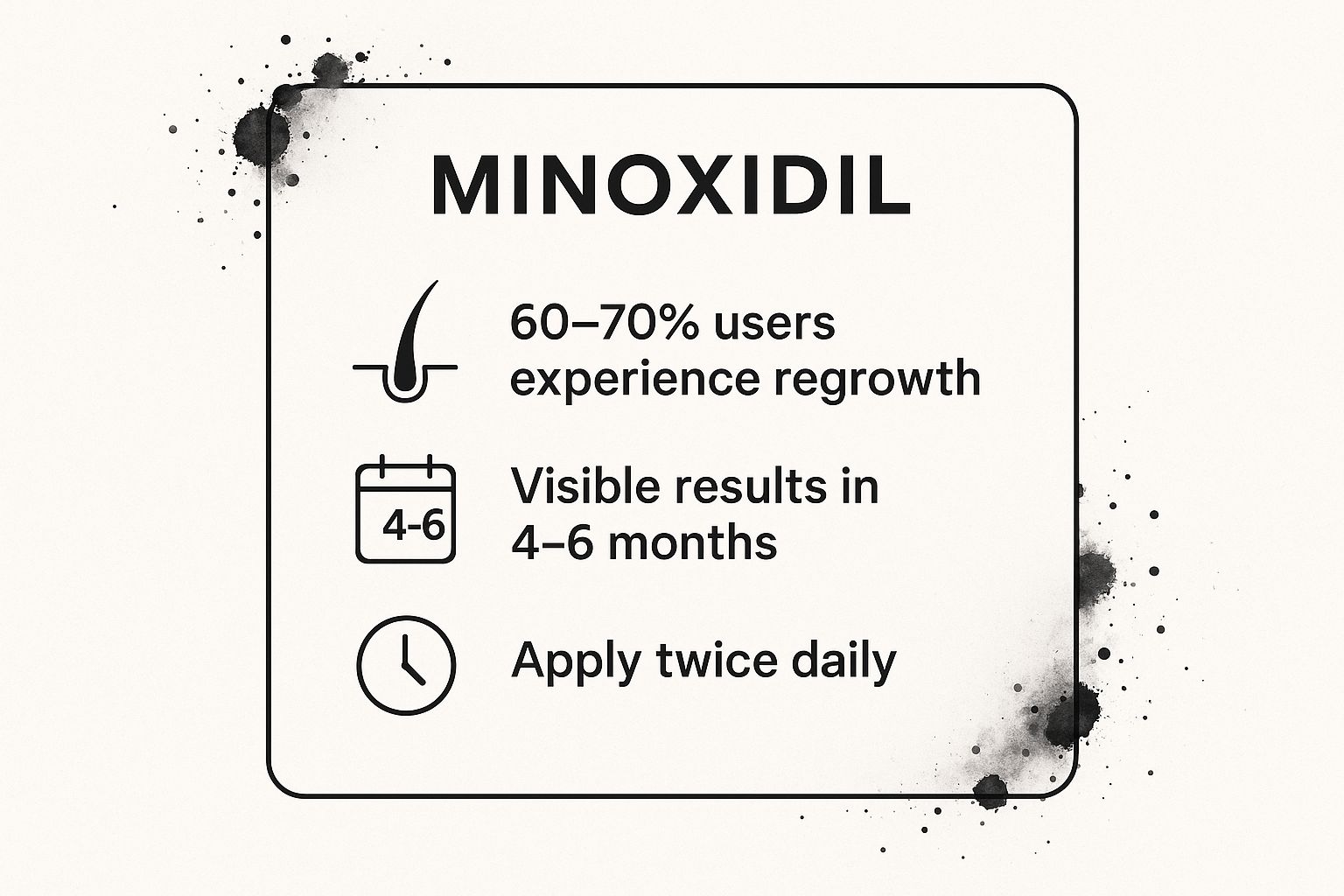
The data clearly illustrates that while a majority of users see results, consistency and patience are paramount for achieving visible hair regrowth.
Practical Tips for Application
To maximise effectiveness, proper and consistent application is crucial.
Apply to a Dry Scalp: Ensure your scalp and hair are completely dry before application to allow for maximum absorption.
Be Consistent: Use the product twice daily, every day, as directed. Missing applications can diminish its effectiveness.
Allow Absorption Time: Do not wash your hair or go to bed for at least four hours after applying Minoxidil.
Track Your Progress: Take monthly photos of your thinning areas to objectively monitor your progress over time.
2. Finasteride (Oral Medication)
Finasteride is a powerful, prescription-only oral medication recognised as a cornerstone in the fight against male pattern baldness. Unlike topical treatments that work on the scalp's surface, Finasteride addresses the root hormonal cause of androgenetic alopecia. It is widely regarded as one of the most effective medical interventions for preventing further hair loss and promoting regrowth in men.
How Finasteride Works
This treatment functions as a 5-alpha-reductase inhibitor. The enzyme 5-alpha-reductase is responsible for converting testosterone into a more potent androgen called dihydrotestosterone (DHT). DHT is the primary hormone that binds to receptors in hair follicles, causing them to shrink (miniaturise) and eventually stop producing hair. By blocking this enzyme, Finasteride significantly lowers DHT levels in the scalp and blood, protecting follicles from DHT's damaging effects and allowing them to recover and grow healthier hair.
Finasteride's mechanism is systemic, targeting the underlying hormonal process of hair loss. This makes it a highly effective best treatment for thinning hair, especially for those with genetically driven male pattern baldness.
Proven Efficacy and Results
The clinical evidence supporting Finasteride is extensive and compelling, solidifying its place as a leading treatment. Decades of research and real-world use, including by hair restoration specialists like Dr. Robert Bernstein, have demonstrated its effectiveness.
A landmark five-year study showed that 90% of men using Finasteride either maintained their hair count or experienced an increase in hair growth.
Clinical trials have demonstrated an average 30% increase in hair growth after two years of consistent treatment.
The data confirms that Finasteride is highly effective at halting the progression of hair loss and can lead to significant regrowth for the majority of male users. Its ability to directly counteract the hormonal cause of thinning hair makes it a formidable option.
Practical Tips for Application
To achieve the best possible results with Finasteride, consistency and medical guidance are key.
Take it Daily: Swallow one tablet at the same time each day to maintain stable hormone levels in your system.
Be Patient: It can take 6-12 months of continuous use to see noticeable improvements, so long-term commitment is essential.
Discuss Family Planning: If you and your partner are planning a family, it is crucial to discuss this with your doctor before starting the medication.
Monitor for Side Effects: While uncommon, be aware of potential side effects and report any concerns to your physician immediately.
3. Platelet-Rich Plasma (PRP) Therapy
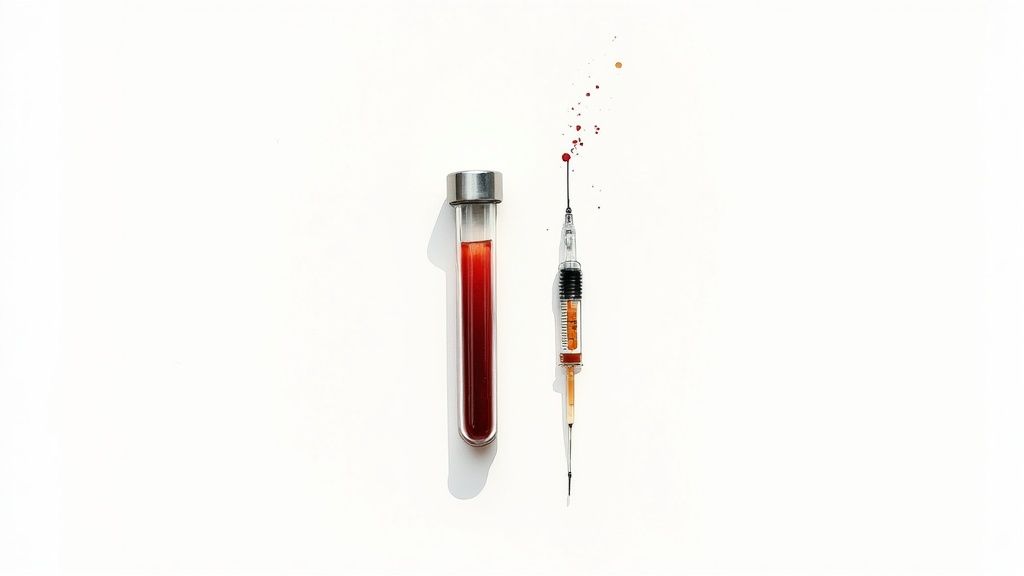
Platelet-Rich Plasma (PRP) therapy is an innovative in-clinic treatment that utilises your body's own healing mechanisms to combat hair loss. It involves a simple three-step process: drawing a small sample of your blood, processing it in a centrifuge to concentrate the platelets, and then injecting this platelet-rich plasma directly into the areas of the scalp experiencing thinning.
How PRP Therapy Works
The science behind PRP lies in the power of platelets, which are rich in growth factors and proteins essential for tissue regeneration and healing. When injected into the scalp, these growth factors stimulate dermal papilla cells, which play a crucial role in hair growth. This process helps to prolong the anagen (growth) phase of the hair cycle, increase blood supply to follicles, and awaken dormant follicles, encouraging the growth of new, thicker, and healthier hair strands.
PRP is considered a form of regenerative medicine. It doesn't introduce any foreign substances into your body; instead, it supercharges your natural biological processes to repair and rejuvenate hair follicles from within.
Proven Efficacy and Results
PRP has gained significant credibility as a best treatment for thinning hair, backed by clinical studies and high-profile endorsements. Its effectiveness is well-documented, with many patients reporting visible improvements.
Hair Density: One significant study demonstrated an average increase in hair density of over 30% after just three months of treatment.
Patient Satisfaction: Clinical trials consistently show high patient satisfaction, with some studies reporting that over 70% of participants are pleased with their results.
Widespread Adoption: Endorsements from athletes like Rafael Nadal and pioneering work by specialists like Dr. Jerry Cooley have helped popularise PRP as a reliable, non-surgical hair restoration option. For a deeper, science-backed look into its effectiveness, you can explore the evidence behind PRP for hair loss.
These results highlight PRP's potential to deliver noticeable improvements in hair thickness and coverage.
Practical Tips for Treatment
To get the most out of your PRP therapy and ensure a smooth process, consider these practical steps.
Plan for a Series: Effective PRP treatment typically requires an initial series of 3-4 sessions, spaced 4-6 weeks apart, followed by maintenance treatments every 6-12 months.
Prepare Beforehand: Stay well-hydrated before your appointment to make the blood draw easier, and avoid anti-inflammatory medications (like ibuprofen) for at least a week prior, as they can interfere with platelet function.
Post-Treatment Care: Avoid washing your hair for at least 24 hours after the procedure to allow the growth factors to fully penetrate the scalp.
Choose Wisely: Select an experienced practitioner who uses high-quality, professional centrifuge equipment to ensure the highest concentration of platelets.
4. Hair Transplantation Surgery
For those seeking a permanent and transformative solution, hair transplantation surgery stands out as the gold standard. This surgical procedure involves relocating healthy, genetically resistant hair follicles from a dense "donor" area, typically the back or sides of the head, to thinning or balding "recipient" areas. It offers a lasting and natural-looking result, making it a definitive best treatment for thinning hair for suitable candidates.
How Hair Transplantation Works
The core principle of hair transplantation relies on "donor dominance", where follicles moved from one part of the scalp to another retain their original genetic characteristics. Modern techniques like Follicular Unit Transplantation (FUT) and Follicular Unit Extraction (FUE) have revolutionised the process. FUE involves harvesting individual follicular units one by one, leaving minimal scarring, while FUT involves removing a small strip of tissue from which follicles are extracted. These follicles are then meticulously implanted into the recipient sites, creating a new, denser hairline and restoring volume.
The success of a hair transplant lies in the surgeon's ability to mimic natural hair growth patterns, angles, and density. This artistic skill is just as crucial as the technical execution of the surgery itself.
Proven Efficacy and Results
The results of modern hair transplantation are often dramatic and life-changing, with many high-profile figures like Wayne Rooney and Elon Musk showcasing its potential. Clinical data backs up these visible successes:
Follicle Survival: Studies consistently show that with skilled surgeons, the survival rate of transplanted follicles is over 90%, ensuring the longevity of the results.
Global Popularity: The procedure's effectiveness has led to a surge in demand, with destinations like Turkey performing over 50,000 procedures annually.
The permanence and high success rate make it a powerful option for individuals with significant hair loss who have not achieved their desired results with other treatments.
Practical Tips for a Successful Procedure
Undergoing surgery requires careful planning and consideration to ensure the best possible outcome.
Thoroughly Research Your Surgeon: Scrutinise surgeon credentials, their specialisation in hair restoration, and review extensive before-and-after photo galleries.
Plan for Recovery: Allocate at least 7-10 days off work for the initial healing phase, where swelling and scabbing are common.
Follow Post-Op Care Precisely: Adhering strictly to your surgeon's instructions on washing, sleeping, and activity is critical for follicle survival.
Set Realistic Expectations: The final result is dependent on the quality and quantity of your available donor hair. A good surgeon will provide an honest assessment of what can be achieved.
5. Low-Level Laser Therapy (LLLT)
Low-Level Laser Therapy (LLLT) is a non-invasive and painless treatment for thinning hair that utilises medical-grade lasers to stimulate follicular activity. As an FDA-cleared technology, it offers a science-backed, chemical-free option for individuals seeking to enhance hair growth and density. Available in various forms, from in-clinic procedures to convenient at-home devices like helmets and combs, LLLT is a versatile solution for tackling hair loss.
How LLLT Works
This therapy operates on the principle of photobiomodulation. The devices emit specific wavelengths of red light (typically 650-670 nanometres) that penetrate the scalp. These photons are absorbed by weak cells within the hair follicles, which in turn boosts energy production (ATP synthesis). This cellular revitalisation helps to extend the hair's anagen (growth) phase, reduce follicle-damaging inflammation, and promote the production of thicker, healthier hair strands. It essentially awakens dormant follicles and strengthens existing ones.
LLLT is not a cure for baldness but rather a restorative treatment. It works by stimulating weakened or miniaturised follicles back into a healthy growth cycle, making it an excellent best treatment for thinning hair, especially in the earlier stages of hair loss.
Proven Efficacy and Results
Numerous clinical studies have validated the effectiveness of LLLT. The technology has demonstrated its ability to increase hair count, improve hair thickness, and enhance overall scalp coverage. Some key findings highlight its potential:
HairMax LaserComb: Clinical trials for this pioneering device showed a significant 35% increase in hair count among participants.
Theradome Helmet: Studies on this popular helmet-style device reported a 40% improvement in hair thickness after consistent use.
Clinical Treatments: Professional in-clinic LLLT sessions have achieved a patient satisfaction rate as high as 85%, showcasing its reliable outcomes in a controlled setting.
These results underscore LLLT's standing as a legitimate and effective hair restoration method, offering tangible improvements for many users.
Practical Tips for Application
To achieve the best possible results from at-home LLLT devices, commitment and correct usage are essential.
Be Consistent: Follow the manufacturer's guidelines, which typically recommend sessions of 15-25 minutes, three to four times per week. Consistency is the most critical factor for success.
Ensure Scalp Contact: For devices like combs or bands, make sure the lasers have direct contact with the scalp. For helmets, ensure a snug fit. Parting the hair can help improve light penetration.
Use on a Clean Scalp: Apply the treatment after washing and drying your hair, as excess oils and product buildup can block the laser light from reaching the follicles.
Be Patient: Visible results, such as reduced shedding and new growth, typically appear after 16 to 26 weeks of regular treatment.
6. Scalp Micropigmentation (SMP)
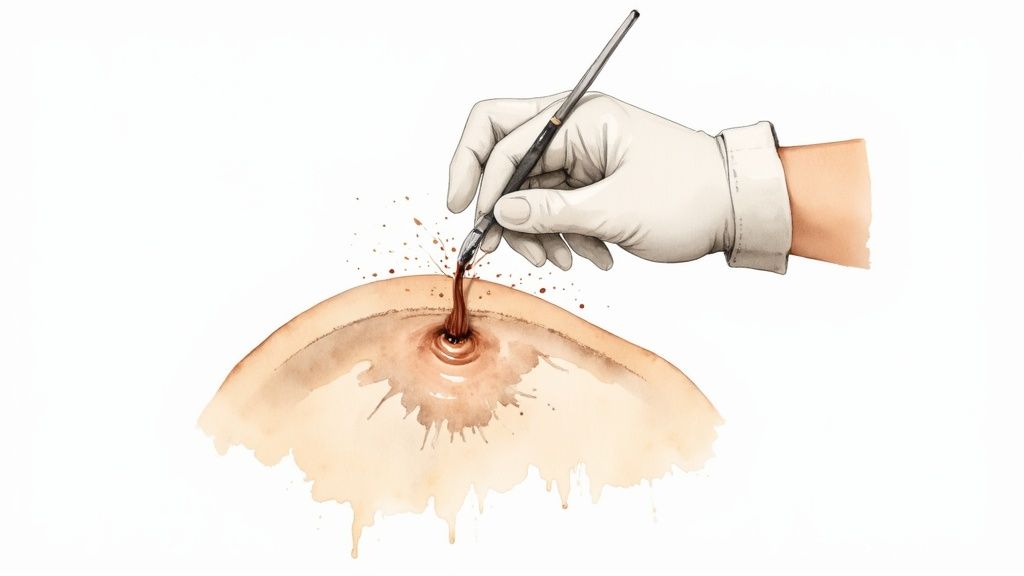
Scalp Micropigmentation (SMP) is a highly specialised cosmetic procedure offering a non-surgical solution for hair loss. It uses detailed micro-needles to deposit tiny dots of pigment onto the scalp, replicating the appearance of natural hair follicles. This technique creates an illusion of density in thinning areas or mimics the look of a full, closely-shaved head of hair, making it an excellent option for those seeking immediate aesthetic improvement.
How Scalp Micropigmentation Works
SMP is essentially a form of medical-grade tattooing tailored for the scalp. A trained practitioner uses advanced equipment to layer pigment dots in a specific pattern, matching the colour and density of your existing hair. The procedure is meticulously planned to create a natural-looking hairline and blend seamlessly with any remaining hair. Unlike a traditional tattoo, the pigments used are specifically formulated to resist colour change over time, and the needles penetrate the skin much more superficially. This allows for the creation of crisp, follicle-sized impressions that effectively camouflage thinning and baldness.
Scalp Micropigmentation does not grow hair; it is a cosmetic camouflage. Its power lies in its ability to create the permanent illusion of thicker hair or a 'buzz cut' style, providing a significant confidence boost without surgery or ongoing medication.
Proven Efficacy and Results
The effectiveness of SMP is visual and immediate, providing a reliable alternative for individuals who are not suitable candidates for hair transplants or who prefer a non-invasive approach. Many high-profile figures, including actors and athletes, have opted for SMP to restore their hairlines with natural-looking results. The treatment is consistently praised for its ability to:
Create Density: Effectively conceals thinning by reducing the visible contrast between hair and scalp.
Restore Hairlines: Reconstructs receding hairlines for a more youthful and defined appearance.
Camouflage Scars: Successfully hides scars from previous hair transplant surgeries or injuries.
The results are highly dependent on the skill of the practitioner, but when performed correctly, the outcome is a remarkably realistic and low-maintenance hair loss solution. Reputable clinics like HIS Hair Clinic and Vinci Hair Clinic have extensive portfolios showcasing dramatic and life-changing transformations.
Practical Tips for Application
To ensure you get the best possible outcome from your SMP treatment, careful planning and aftercare are essential.
Research Practitioners: Thoroughly vet potential technicians. Examine their portfolios, read reviews, and confirm they have specific training and certification in SMP.
Choose the Right Pigment: Work with your practitioner to select a pigment that perfectly matches your natural hair colour and skin tone to ensure a subtle, realistic finish.
Plan for Multiple Sessions: Achieving the desired density requires building up pigment layers. Expect 2-4 sessions, typically spaced two to four weeks apart.
Protect Your Scalp: Avoid direct sun exposure, swimming, and excessive sweating for several days after each session to allow the pigment to settle correctly.
7. Nutritional Supplements and Vitamins
Nutritional supplements offer an inside-out approach to hair health, working to correct deficiencies and provide the essential building blocks for robust hair growth. These products deliver a concentrated dose of vitamins, minerals, and other key nutrients that support follicular function and the hair growth cycle. They represent a supportive and often foundational step for anyone looking to improve the quality and density of their hair.
How Nutritional Supplements Work
Hair follicles are highly metabolic and require a constant supply of specific nutrients to thrive. Supplements address potential dietary gaps that could be contributing to hair thinning. Key ingredients like biotin, iron, zinc, and vitamin D play crucial roles in hair protein synthesis, cell division, and hormone regulation. Specialised compounds such as saw palmetto may help inhibit DHT, a hormone linked to androgenetic alopecia, while marine proteins provide essential amino acids needed to build strong keratin fibres.
Unlike topical treatments that work on the scalp's surface, nutritional supplements aim to fortify the entire hair growth system from within. They are most effective when a nutritional deficiency is a contributing factor to hair loss or when overall hair quality needs improvement.
Proven Efficacy and Results
The market for hair supplements is vast, but several brands are backed by compelling clinical research, making them a viable option as a best treatment for thinning hair.
Viviscal: This marine protein-based supplement has shown impressive results, with one study demonstrating a near 40% increase in the number of terminal hairs after six months.
Nutrafol: A physician-formulated supplement, Nutrafol's clinical trials report that 83% of men and 76% of women saw an improvement in hair thickness.
Biotin: Studies focusing on biotin have shown it can significantly improve hair strength and reduce shedding, particularly in individuals with a pre-existing deficiency.
These findings underscore the importance of targeted nutrition in supporting the hair growth cycle and improving overall hair health.
Practical Tips for Application
To get the most out of nutritional supplements, a strategic and consistent approach is necessary.
Choose Wisely: Opt for supplements with clinical research backing their claims and look for third-party testing (like NSF or USP) to verify purity and potency.
Be Consistent: Hair growth is a slow process. Take your supplement daily for at least three to six months to give it enough time to produce visible results.
Take with Food: Many supplements, especially those containing minerals like iron and zinc, are better absorbed and less likely to cause stomach upset when taken with a meal.
Consult a Professional: Always speak with your GP or a dermatologist before starting a new supplement, especially if you have underlying health conditions or are taking other medications.
8. Topical Hair Growth Serums and Treatments
Beyond single-ingredient solutions like Minoxidil, the market offers a wide array of advanced topical serums and multi-step treatments. These products combine various active ingredients such as peptides, botanical extracts, vitamins, and growth factors to nourish the scalp and support the hair growth cycle. They are designed to create an optimal scalp environment, tackle multiple causes of hair thinning, and deliver targeted nutrients directly to the follicles.
How Topical Serums Work
Unlike treatments that focus solely on vasodilation, these comprehensive serums work on several fronts. Key ingredients often include DHT blockers to combat hormonal hair loss, peptides to support keratin production, and antioxidants to reduce scalp inflammation. By nourishing the scalp and strengthening hair from the root, these formulations aim to reduce breakage, improve hair density, and encourage a healthier growth phase for existing hair.
Topical serums provide a multi-faceted approach to scalp health. Instead of relying on a single mechanism, they combine ingredients that block DHT, reduce inflammation, and supply essential nutrients, creating a holistic environment for hair to thrive.
Proven Efficacy and Results
The effectiveness of these serums depends heavily on their specific formulation and the consistency of use. Many brands have conducted their own studies to demonstrate efficacy, making them a popular choice for those seeking a cosmetic improvement in hair thickness and health.
Nioxin: Their multi-part system is celebrated for improving scalp health, with many users reporting visibly thicker and fuller-looking hair.
Keranique: Specifically formulated for women, this system has shown impressive results, with some users reporting up to 30% thicker-looking hair.
The Ordinary Multi-Peptide Serum: This affordable, high-potency serum has gained a loyal following for its ability to improve hair density and overall scalp condition.
These treatments are often an excellent complement to clinical procedures. For those considering more intensive options, understanding the full spectrum of available treatments, including advanced hair rejuvination techniques, can help create a comprehensive care plan.
Practical Tips for Application
To get the most out of these specialised serums, proper application is key.
Apply to a Clean Scalp: For better absorption, apply the serum to a clean, towel-dried scalp after washing your hair.
Massage Gently: Use your fingertips to gently massage the product into the scalp for a minute or two to stimulate blood circulation.
Stay Consistent: Most serums require daily use for at least three to six months before significant results are visible.
Patch Test First: Always apply a small amount to an inconspicuous area first to check for any skin sensitivity or allergic reactions.
Top 8 Thinning Hair Treatments Comparison
Treatment | Implementation Complexity 🔄 | Resource Requirements ⚡ | Expected Outcomes 📊 | Ideal Use Cases 💡 | Key Advantages ⭐ |
|---|---|---|---|---|---|
Minoxidil (Topical Solution) | Moderate – daily topical application twice daily | Low – OTC availability, affordable long-term | Moderate – 60-70% users see regrowth/slowing loss in 4-6 months | Early to moderate thinning; both men and women | Clinically proven, no prescription, minimal side effects |
Finasteride (Oral Medication) | Moderate – daily oral prescription, monitoring required | Medium – prescription, more costly than topical | High – 90% stop loss, 65% see regrowth | Male pattern baldness, especially crown/mid-scalp | Most effective medication, convenient once daily |
PRP Therapy | High – blood draw and repeated scalp injections | High – costly ($600-$2,500/session), specialist required | Variable – some see up to 30% density increase | Patients seeking natural, drug-free options | Uses body’s own growth factors, minimal side effects |
Hair Transplantation Surgery | Very high – surgical procedure, recovery period | Very High – costly ($4,000-$20,000+), skilled surgeon essential | Very High – permanent, natural-looking results | Advanced hair loss with sufficient donor hair | Permanent solution, high satisfaction and survival rates |
Low-Level Laser Therapy (LLLT) | Low to moderate – regular home or clinic sessions | Medium – device cost ($200-$3,000), time commitment | Modest – 20-35% hair count increase over 6 months | Mild to moderate thinning, sensitive scalps | Non-invasive, no side effects, home use possible |
Scalp Micropigmentation (SMP) | Moderate – multi-session cosmetic tattooing | Medium – cost $2,000-$5,000, skilled practitioner | Immediate – visual illusion only, lasts 4-6 years | Those seeking cosmetic density illusion, non-growers | Instant coverage, no daily maintenance required |
Nutritional Supplements | Low – daily oral intake | Low – OTC supplements, generally affordable | Subtle – improvements after 3-6 months | Those with nutritional deficiencies or mild thinning | Safe, easy to use, supports overall hair health |
Topical Hair Growth Serums | Moderate – daily topical application | Low to Medium – OTC products, variable cost | Variable – modest improvements, less dramatic | Early hair thinning, maintenance, scalp health | Multi-target approach, easy to integrate in routine |
Your Next Step Towards Hair Confidence
Navigating the landscape of solutions for thinning hair can feel overwhelming, but clarity and confidence are within reach. We have explored a comprehensive array of options, each with its unique mechanism, commitment level, and potential for success. From the accessible, at-home convenience of topical Minoxidil and targeted nutritional supplements to the potent, science-driven results of oral Finasteride and advanced in-clinic procedures like Platelet-Rich Plasma (PRP) Therapy, the path to thicker, healthier hair is more accessible than ever.
The central takeaway is that there is no single "best treatment for thinning hair" that applies universally. The most effective approach is deeply personal, hinging on the specific cause of your hair loss, your lifestyle, your budget, and your long-term goals. For some, a daily topical serum combined with a well-formulated vitamin regimen may be sufficient to slow shedding and encourage new growth. For others, a more robust intervention like PRP therapy or even a permanent solution like a hair transplant may be the definitive answer.
Key Principles to Guide Your Decision
Understanding the core principles behind successful hair restoration is paramount. Remember these crucial points as you consider your next steps:
Diagnosis is Essential: Before investing time and money, a professional diagnosis is non-negotiable. Understanding whether your hair loss is due to androgenetic alopecia, telogen effluvium, or another underlying condition will directly inform the most effective treatment strategy.
Consistency Over Intensity: Many of the most effective treatments, including Minoxidil, Finasteride, and LLLT, rely on consistent, long-term application. Results are not immediate; they are the product of patience and dedication over several months.
A Multi-Faceted Approach Often Wins: Combining treatments can create a powerful synergistic effect. For example, using Minoxidil to stimulate follicles while undergoing PRP therapy to supply them with growth factors can yield superior results compared to using either treatment alone.
Manage Your Expectations: Be realistic about timelines and outcomes. The goal is to achieve significant, natural-looking improvement, which takes time. Reputable practitioners will provide a clear and honest projection of what you can expect from your chosen treatment plan.
Creating Your Personalised Action Plan
Your journey forward begins not with a product, but with a plan. The most critical action you can take now is to seek expert guidance. A consultation with a qualified professional, such as a dermatologist, trichologist, or a specialist aesthetic practitioner, will provide the diagnostic clarity needed to move forward with confidence. They can assess your scalp, discuss your medical history, and help you build a bespoke treatment protocol tailored specifically to you.
This professional insight transforms the search for the best treatment for thinning hair from a confusing puzzle into a clear, actionable strategy. It empowers you to invest wisely in solutions that are scientifically validated and aligned with your unique biological needs, ensuring you are on the most efficient path towards reclaiming your hair and your confidence. The power to change your story is in your hands, and it starts with this informed first step.
Ready to take control of your hair restoration journey with expert guidance? At Charis Aesthetics, we specialise in advanced, medically-led treatments like PRP for hair restoration, providing personalised care in a luxurious and professional environment. Book your consultation at Charis Aesthetics today to discover a bespoke treatment plan designed to deliver real, confidence-boosting results.
Comments