


Botox Masseter Muscle Your Guide to Jaw Slimming
- Charis Aesthetics
- Jul 31, 2025
- 15 min read

Ever felt your jaw clench up after a long day? Or maybe you've looked in the mirror and wished for a softer, less angular jawline. For many people, the answer to both of these concerns lies in a single, remarkably effective treatment: masseter Botox. It's become incredibly popular across the UK, not just for its face-slimming effects but for the genuine relief it brings.
An Introduction to Masseter Botox in the UK
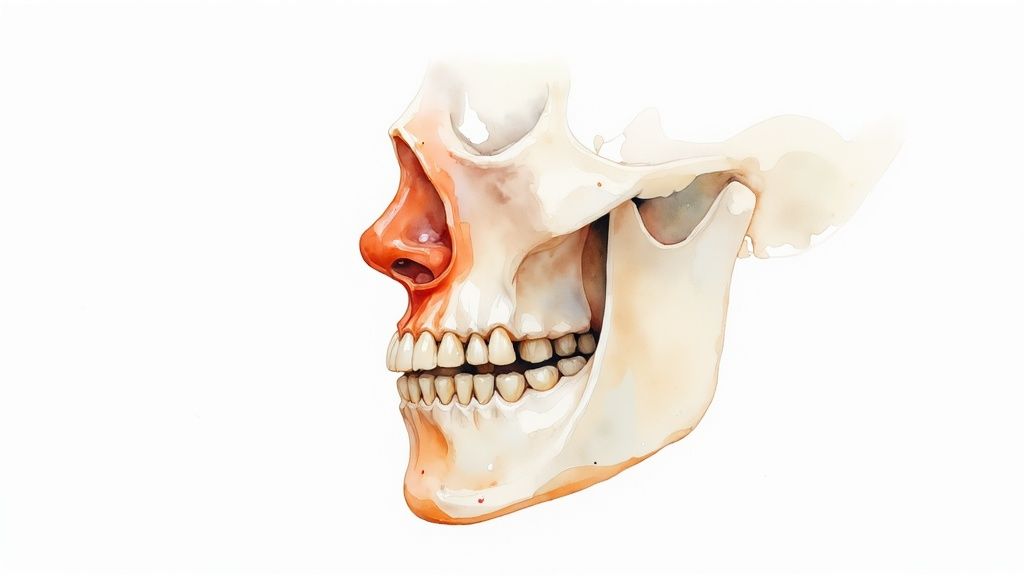
The treatment targets the large, powerful muscles at the sides of your jaw that do all the heavy lifting when you chew—the masseters. Just like any other muscle in your body, they can get bigger with overuse. If you subconsciously grind your teeth or clench your jaw (a condition called bruxism), these muscles get a constant workout, leading to what’s known as masseter hypertrophy.
This overdevelopment can create a wider, squarer jawline and, more importantly, lead to some pretty uncomfortable physical symptoms.
The Dual Power of Jaw Botox
This is where the magic of masseter Botox comes in. It offers a brilliant two-in-one solution, tackling both cosmetic goals and medical issues at the same time. Many people come in seeking one benefit and are delighted to discover they get the other as a bonus.
Its appeal really comes down to its ability to:
Slim and Contour the Face: By gently relaxing the overworked masseter muscle, Botox allows it to shrink back to its normal size over time. This subtle muscle-slimming process softens a square jaw, creating a more harmonious, V-shaped facial contour.
Provide Therapeutic Relief: For anyone suffering from bruxism or temporomandibular joint (TMJ) disorders, this treatment can be genuinely life-changing. It eases the force of involuntary clenching, which can put an end to chronic jaw pain, tension headaches, and even protect your teeth from further damage.
Think of it like a dimmer switch for your jaw muscles. Botox doesn’t turn them off completely—you can still chew perfectly well—but it dials down their intensity from a constant, high-power clench to a much more relaxed, normal state. This reduction in activity is what delivers both the slimming effect and the pain relief.
Who is an Ideal Candidate?
While it’s a fantastic treatment, it’s not for everyone. An ideal candidate for masseter Botox is usually someone who is dealing with one or more of the following:
A noticeably square or wide jawline caused by enlarged masseter muscles.
Persistent jaw clenching or teeth grinding, particularly at night.
Chronic tension headaches that seem to start from the jaw area.
Pain or tenderness around the temporomandibular joint (TMJ).
Ultimately, the first step is always a professional consultation. A qualified practitioner can properly assess your facial anatomy, listen to what you want to achieve, and confirm if you’re a good candidate for the subtle yet significant results this treatment can offer. This guide will walk you through everything else you need to know about getting it done in the UK.
How Botox Transforms Your Masseter Muscles
First, let's think about how the masseter muscle works. Just like any other muscle in your body, the more you work it out, the bigger and stronger it gets. For many of us, this “workout” isn’t something we do on purpose. It’s often down to subconscious teeth grinding (bruxism) or habitual jaw clenching, especially while we sleep.
All that constant, intense activity leads to muscle growth—a condition known as masseter hypertrophy—which can create a wider, more angular jawline.
This is where the precision of Botox for the masseter muscle comes in. It doesn’t get rid of the muscle or paralyse it completely. Think of it more as a highly targeted "pause button" for its most excessive contractions. Botox is a type of neuromodulator, a substance that gently interrupts the signals travelling between nerves and muscles.
When we inject it into the masseter, it blocks some of the nerve signals telling the muscle to clench with so much force. The muscle isn’t switched off—you’ll still be able to chew, talk, and express yourself perfectly normally—but its hyperactivity is dialled right down. This gives the overworked muscle a much-needed rest.
The Science of Muscle Atrophy
When a muscle stops working so hard, it naturally starts to shrink. It’s the same reason your bicep would get smaller if you stopped lifting weights. This process is called atrophy, and it’s the key to how this treatment refines your jawline. It doesn't happen overnight; the slimming effect occurs gradually over several weeks following your appointment.
The core principle is simple: by reducing the muscle's workload, we reduce its bulk. This leads to a visibly slimmer lower face and a softer, more tapered jawline. It’s not about changing your bone structure, but rather about refining the muscular contours of your face.
This gradual slimming is what creates a more harmonious facial shape, often described as a V-shape. Many patients are delighted by the subtle yet noticeable difference it makes to their profile, especially in photographs.
More Than Just Aesthetics
The benefits go far beyond appearances. That same reduction in muscle force provides profound therapeutic relief for many people. The powerful clenching linked with bruxism can generate immense pressure, leading to a whole host of related problems.
By easing this pressure, Botox for the masseter muscle can effectively tackle:
Chronic Jaw Pain: Alleviating the constant tension and ache in the jaw joint (TMJ).
Tension Headaches: Reducing headaches that stem from jaw muscle strain.
Dental Wear and Tear: Protecting your teeth from being worn down or damaged by grinding.
For those interested in how these injections work in other areas of the face, you can explore our comprehensive guide to anti-wrinkle injections in the UK. The underlying mechanism of muscle relaxation is similar, though the aesthetic goals are different.
Essentially, by calming the overactive masseter, the treatment tackles both the visual concern of a wide jaw and the physical discomfort it causes. This dual action is why it has become such a sought-after procedure for achieving both aesthetic balance and an improved quality of life.
Your Masseter Botox Procedure From Start to Finish
Thinking about getting a new treatment can feel a little intimidating, but the process for masseter Botox is surprisingly quick and straightforward. Knowing what to expect from start to finish can really help put your mind at ease. It all kicks off not with a needle, but with a simple chat.
The Initial Consultation
The consultation is, without a doubt, the most important part of the whole process. This is where you and your practitioner get on the same page. A great clinician will take the time to really listen to what you want to achieve, whether it’s creating a slimmer jawline, getting relief from painful jaw clenching, or a bit of both.
They’ll take a close look at your facial structure and ask you to clench and relax your jaw so they can feel the masseter muscles. This simple test gives them a clear idea of your muscle strength and size, which is key to figuring out the right dose and the best injection points for you. It’s also the perfect time for you to ask any questions you might have.
The Treatment Itself
Once you’ve agreed on a plan, the actual procedure is over in a flash—often less than 20 minutes from start to finish. You’ll be settled comfortably in a chair while the practitioner cleans the skin over your jaw to make sure everything is sterile.
Using an incredibly fine needle, they’ll then give you a series of small injections directly into the masseter muscle on each side of your jaw. Most people say it feels like a few quick, sharp pinches. It's a momentary discomfort, but definitely not intensely painful. You'll typically get two to three injections per side to make sure the Botox is spread evenly through the muscle for a natural result.
A key detail here is the dosage, as it's never a one-size-fits-all situation. Guidance from the NHS on botulinum toxin for masseteric hypertrophy notes that a typical dose is between 20 to 35 units per side (40 to 70 units total). This is always carefully calculated based on your individual muscle's strength and size.
Here's a look at a typical injection pattern, which helps achieve the best results.
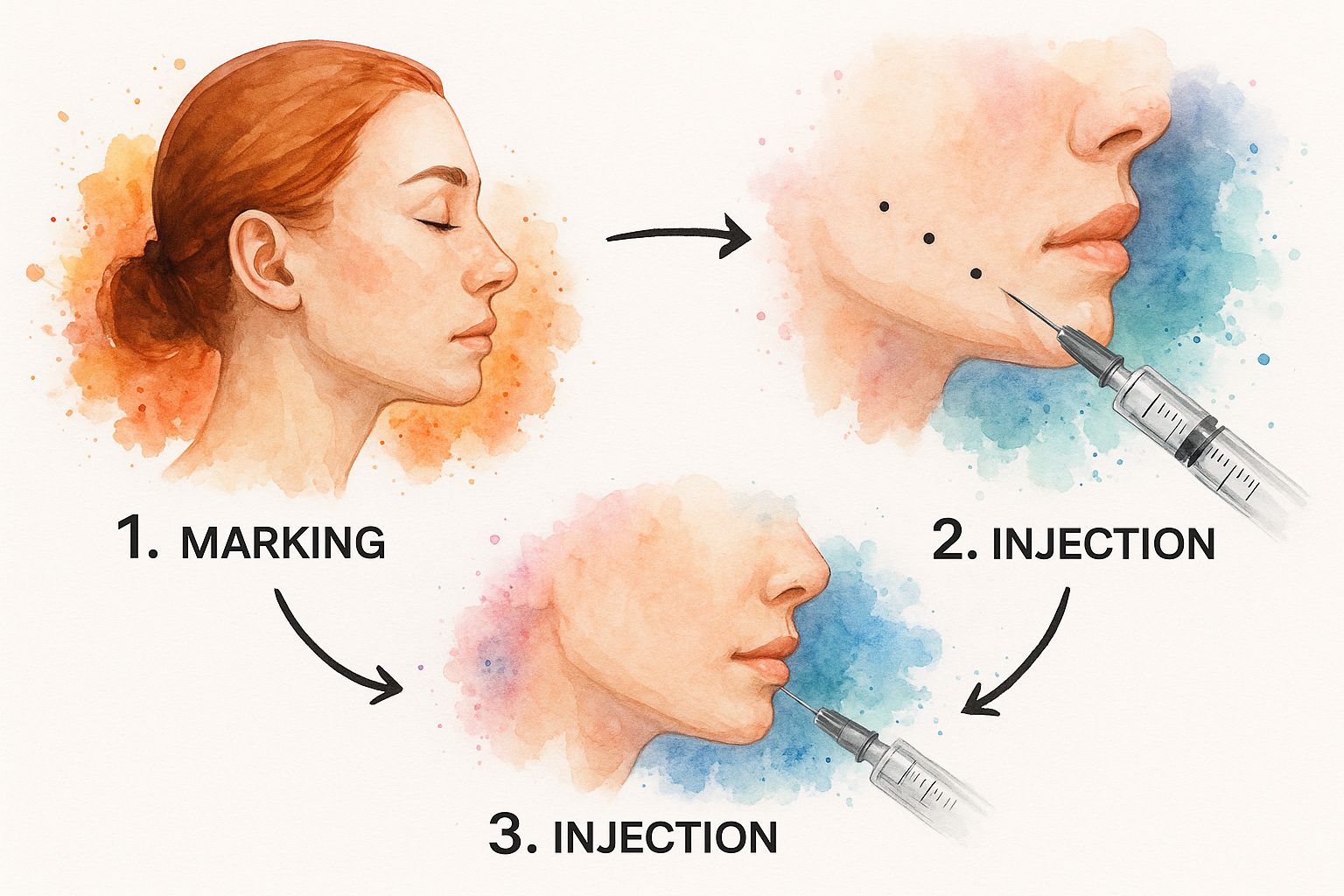
This strategic placement ensures the relaxing effect spreads evenly, leading to a smooth, natural-looking slimness rather than any patchy changes.
Immediate Aftercare And What Happens Next
After the last injection, you’re pretty much good to go. There’s virtually no downtime, so most people head right back to their normal daily routine. Your practitioner will, however, give you a few important instructions to follow for the next 24 hours to get the best possible outcome.
Essential Aftercare Tips:
Avoid Strenuous Exercise: Take it easy for the first day. Keeping your heart rate down helps minimise any potential bruising.
Stay Upright: Try not to lie down flat or bend over too much for the first four to six hours.
Don't Touch: This is a big one. Avoid rubbing, massaging, or putting any pressure on the injection sites. This prevents the Botox from wandering into other muscles where you don’t want it.
Skip the Spa Day: Hold off on facials, saunas, or any other heat treatments for at least a day.
Following these simple rules helps the Botox settle exactly where it needs to be to work its magic on the masseter. After that, it’s just a case of being patient as the results start to show over the next few weeks, bringing you that much closer to the relief or look you were hoping for.
Weighing the Benefits and Risks of Jaw Botox
Whenever you’re considering an aesthetic procedure, it’s vital to get a clear, balanced view of what you stand to gain versus any potential downsides. With botox masseter muscle treatments, the rewards can be huge, offering everything from a subtle cosmetic tweak to genuine therapeutic relief.
That said, like any medical treatment, it's essential to understand the full picture, including the possible side effects, before you decide.
The Compelling Benefits
Let’s start with the good stuff. The real beauty of jaw Botox lies in its dual-action power. Aesthetically, it can wonderfully soften a square or heavy jawline, creating a more tapered, harmonious lower face. For many of my clients, this small change brings a massive boost in confidence.
But it’s not just about looks. The therapeutic advantages are life-changing for people suffering from bruxism (teeth grinding) or TMJ disorders. Easing the incredible force of jaw clenching can dramatically reduce chronic pain, daily tension headaches, and protect your teeth from long-term damage.
It's a procedure that works on two fronts to improve your quality of life, and it's not uncommon for patients seeking pain relief to be pleasantly surprised by the cosmetic slimming effect, and vice versa.
Key advantages include:
Facial Slimming and Contouring: By relaxing that overdeveloped masseter muscle, the treatment gradually slims the lower face. The result is a softer, more balanced profile without a single stitch of surgery.
Relief from Bruxism Symptoms: It gets right to the source of teeth grinding and clenching, offering significant relief from that nagging jaw ache, facial tension, and morning headaches.
TMJ Pain Reduction: If you have a temporomandibular joint disorder, relaxing the masseter can take the pressure off the joint, reducing pain and making everyday things like eating more comfortable.
Protection for Your Teeth: By turning down the volume on grinding, you can prevent further dental wear, chips, and fractures, saving you from much more extensive and expensive dental work down the line.
So many of my patients report a noticeable improvement in their day-to-day comfort. Better sleep and less pain throughout the day are common bits of feedback, which really highlights the functional impact this treatment can have.
Masseter Botox Treatment At a Glance: Pros vs Cons
To make things even clearer, here’s a quick summary of the main advantages and potential drawbacks of the treatment.
Benefit (Pro) | Risk/Consideration (Con) |
|---|---|
Facial Slimming: Achieves a softer, V-shaped jawline without surgery. | Temporary Side Effects: Minor bruising, swelling, or tenderness at injection sites is possible. |
Pain Relief: Effectively reduces headaches, jaw ache, and tension from teeth grinding. | Asymmetric Smile: A rare risk if Botox affects nearby muscles, causing a temporary uneven smile. |
Protects Teeth: Prevents long-term dental damage caused by bruxism. | Chewing Weakness: A temporary feeling of weakness when chewing tough foods can occur if the dose is too high. |
Minimally Invasive: A quick, "lunchtime" procedure with no real downtime. | Injector Dependent: Results and safety are highly reliant on the practitioner’s skill and anatomical knowledge. |
Boosts Confidence: Improves facial harmony and provides relief from chronic discomfort. | Not Permanent: Results last 3-6 months, so follow-up treatments are needed to maintain the effect. |
Ultimately, a skilled injector minimises the cons, allowing you to focus on the incredible benefits.
Understanding the Potential Risks and Side Effects
While masseter Botox is widely considered a safe procedure with a very high satisfaction rate, it’s important to be aware of the potential side effects. The good news is that most are mild, stay right around the injection area, and clear up on their own within a few days.
Common, temporary side effects can include:
A little bit of bruising or swelling at the injection sites.
Mild tenderness or soreness in the jaw area.
A minor headache shortly after the procedure.
Honestly, these are pretty typical reactions to any injection and usually fade fast. More serious complications are rare, especially when your treatment is performed by a medically qualified and experienced practitioner who has a deep understanding of facial anatomy. To learn more about how a skilled professional ensures safety, you can explore our overview of [Botox treatments and safe procedures](https://www.charis-aesthetics.co.uk/post/botox-treatments-discover-benefits-safe-procedures).
Rarer Complications to Consider
While uncommon, there are a few more significant risks you should know about before going ahead. These are almost always caused by improper injection technique, where the Botox might wander and affect nearby muscles it wasn’t meant for.
Possible rarer risks include an asymmetric smile, which can happen if the Botox spreads to the muscles controlling your smile (like the risorius muscle), causing it to look temporarily lopsided. Another is chewing difficulty, where an excessive dose could over-relax the muscle, leading to a temporary feeling of weakness with tough foods.
In the end, the key to a successful and safe botox masseter muscle treatment comes down to one thing: choosing the right person to do it. A skilled, knowledgeable injector dramatically minimises these risks, ensuring the benefits far outweigh any potential negatives. This allows you to focus on what matters—a more comfortable jaw and a beautifully balanced appearance.
UK Costs and Longevity of Masseter Botox

When you're considering any aesthetic procedure, the practicalities of budget and timing are always front and centre. It's important to know that for botox masseter muscle treatments, it is almost always considered a private cosmetic procedure here in the UK. This means it’s very rarely available on the NHS for jaw slimming, so you should expect to cover the costs yourself.
The price for a single session can vary quite a bit across the country. Generally, you can expect the cost of masseter Botox treatment in the UK to range from £300 to £450 per session. This isn't a fixed price, though. A few things influence the final figure, like how many units of Botox you need, the strength of your jaw muscles, your practitioner’s level of expertise, and the clinic's postcode.
Factors That Influence The Final Price
Understanding what you're paying for helps you see the real value in a well-performed treatment. The final bill isn't just for the vial of Botox; it's for the skill, experience, and safety your practitioner provides.
Here’s what shapes the cost:
Number of Units: This is the biggest variable. Someone with very strong, bulky masseter muscles will naturally need more units to get that desired relaxation and slimming effect. If your muscles are less developed, you'll need fewer.
Practitioner’s Expertise: You are paying for experience. A highly qualified medical professional, like a doctor or specialist aesthetic nurse, will command a higher fee. Their deep knowledge of facial anatomy is what ensures your results are not only effective but, crucially, safe.
Clinic Location: As you might expect, clinics in major cities like London or Manchester often have higher prices. This simply comes down to the higher costs of running a business in those prime locations compared to a clinic in a smaller town.
How Long Will My Results Last?
Just as important as the cost is having a realistic idea of how long the slimming and pain-relieving effects will stick around. While the results of a botox masseter muscle treatment aren't permanent, they are impressively long-lasting.
You’ll likely start to feel the muscle relaxing within the first week, with subtle visible changes appearing around two weeks after your appointment. The peak slimming effect, however, is a more gradual process.
It takes time for the relaxed muscle to shrink (a process called atrophy). Most people see the most noticeable jawline slimming and contouring at around the three-month mark. Patience is definitely key to appreciating the final, refined result.
To keep these results going, you'll need to think about follow-up sessions. The effects of the Botox typically last for four to six months. As the product naturally wears off, your muscle will gradually start to regain its strength and size.
Most practitioners recommend scheduling your next appointment around this time to maintain that softened jawline and prevent symptoms like clenching or headaches from returning. For those looking to get the most out of every session, we share some professional tips on how to make Botox last longer.
Finding the right practitioner for your botox masseter muscle treatment is, without a doubt, the most important decision you’ll make. The procedure might seem quick, but the anatomical knowledge required to get it right is immense. Honestly, the success of your treatment rests almost entirely on their skill. This isn’t just about getting a good result—it’s about your safety.
So, where do you start? Your first port of call must be a registered medical professional. In the UK, this means tracking down a qualified doctor, dentist, or prescribing nurse. These professionals have spent years formally studying facial anatomy—that intricate web of muscles, nerves, and blood vessels just beneath the skin. That level of understanding is completely non-negotiable for a procedure demanding such precision.
Your Consultation Checklist
Think of the initial consultation as your chance to interview your potential practitioner. A good one will welcome your questions and give you clear, confident answers. Don't be shy; it's your face and your health on the line.
Make sure you ask these crucial questions:
“What are your medical qualifications?” They should be a doctor, dentist, or nurse prescriber registered with a UK body like the GMC, GDC, or NMC. Don't be afraid to check their registration online.
“How many masseter Botox treatments have you done?” Experience is everything. You want someone who does this specific treatment day in, and day out, not just once in a blue moon.
“Can I see your portfolio?” Ask to see before-and-after photos of their actual patients who’ve had masseter treatments. This gives you a real feel for their aesthetic style and the quality of their work.
“Which product will you be using?” They should be able to tell you the brand of botulinum toxin they use (like Botox®, Azzalure®, or Bocouture®) and explain why they’ve chosen it for you.
A truly great practitioner goes beyond just answering questions. They’ll carry out a thorough assessment, physically feel the strength of your masseter muscles, and really listen to your goals to create a treatment plan that’s genuinely yours.
Red Flags to Watch For
Just as important as knowing what to look for is knowing what to run from. The aesthetics industry in the UK isn't as tightly regulated as people think, so it's vital to spot the signs of an unqualified or unsafe provider.
Be on high alert if you come across any of these red flags:
Massive Discounts or "Too Good to Be True" Offers: Rock-bottom prices can often mean diluted products, fake substances, or a new injector desperate for clients. Quality and safety have a price.
A Rushed or Non-Existent Consultation: If they’re ready to inject without taking a full medical history or discussing the risks and benefits, you should walk away. Immediately.
Treatment in a Non-Clinical Setting: Your treatment should happen in a clean, professional clinic. A home, a hotel room, or a back room at a salon is a massive no-go.
Pressure to Get Treated on the Spot: A good practitioner will give you space and time to think things over. High-pressure sales tactics are a huge warning sign that something isn't right.
Choosing the right person to perform your botox masseter muscle treatment is the best investment you can make in your results. Taking that extra time to research and pick a qualified medical professional gives you the peace of mind to truly enjoy the fantastic benefits of this procedure.
Right, let's clear up some of those lingering questions you might have. It's completely natural to be curious about the finer details before trying a new treatment. We get asked these all the time, so we’ve put together some straightforward answers to help you feel completely confident.
Think of this as the final piece of the puzzle, making sure you have all the information you need.
How Much Does Masseter Botox Hurt?
This is easily the number one question, and I'm happy to say the answer is very reassuring. We use an incredibly fine needle for the injections, and most people just describe it as a few quick, sharp pinches. It's not what you'd call 'painful' at all.
The discomfort is over in a moment, and there’s absolutely no need for any anaesthetic. You can genuinely get right back to your day afterwards. You might feel a little tenderness at the injection sites, but that usually fades within 24 hours.
Can I Still Eat and Chew Normally?
Absolutely. It’s a common worry that relaxing the jaw muscle will make it hard to eat. But while the treatment is fantastic at reducing the excessive force from clenching and grinding, it doesn't get in the way of normal chewing.
The goal is to dial down the muscle’s hyperactivity, not switch it off completely. You might notice a slightly different sensation when chewing something really tough, like steak or hard sweets, but your day-to-day function will be perfectly fine.
What Happens If I Stop Getting Treatments?
The effects of botox masseter muscle injections are temporary, which gives you complete control. If you decide to stop your top-up sessions, the results will simply fade away gradually over several months.
Your masseter muscle will slowly go back to its original strength and size, and any symptoms you had before—like clenching or a wider-looking jaw—may come back. The good news is there are no lasting negative effects if you decide to stop.
Are There Alternatives to Botox for Bruxism?
Yes, there are other routes people try, though their success can be mixed. Before considering Botox, many of our clients have already tried things like occlusal splints, which you probably know as mouthguards. They can definitely help, but they don't always solve the root cause.
In fact, a clinical study on muscle hypertrophy found that 76.5% of patients had already tried mouthguards, with over half saying they didn't get enough pain relief from them alone. This really highlights why Botox is often such an effective next step when the usual methods aren’t cutting it. You can read more about it in the full study on masticatory muscle hypertrophy.
Ready to see how you could get a slimmer, more comfortable jawline? At Charis Aesthetics, we blend medical expertise with a truly personal approach to deliver safe, beautiful, and natural-looking results. Book your consultation with us today and take the first step towards feeling fantastic.
Comments