
Melasma: what it is and how it is managed
A chronic, hormonally driven pigmentation condition — managed rather than cured, and very easily made worse by the wrong treatment.
Melasma shows as symmetrical brown or grey-brown patches, most often across the cheeks, forehead, upper lip or jawline. It is one of the few skin conditions where I spend most of the consultation managing expectations rather than selling treatment, because it is chronic, it recurs, and the wrong approach reliably makes it worse.
What causes it
Melasma is driven by pigment-producing cells that have become overactive rather than simply damaged. Three things provoke them: hormones, ultraviolet light, and heat.
The hormonal link is strong — pregnancy, the combined contraceptive pill and HRT are all common triggers, which is why it is far more common in women and why it sometimes appears for the first time in your thirties with no change in sun habits.
The heat component is the one people do not expect and it matters clinically, because it means treatments that generate heat can worsen the very thing they are meant to treat.
Why it is difficult to treat
Because the cells are overactive rather than merely holding excess pigment, aggressive resurfacing tends to provoke them further. A treatment that works beautifully on sun damage can make melasma rebound worse than the starting point, and that rebound can take many months to settle.
It also recurs. Someone whose melasma cleared entirely can see it return after one hot summer or a change in medication. That is not treatment failure; it is the nature of the condition.
This is why the honest framing is management, not cure — and why I would rather be dull about it at the start than have you feel misled at month four.
Telling melasma from other pigmentation
Sun damage and age spots tend to be discrete, irregular and asymmetric. Post-inflammatory pigmentation follows the pattern of whatever caused it — old spots, an injury. Melasma is characteristically symmetrical and patchy, with soft irregular borders, and it appears in the same places on both sides.
Getting this distinction right before treating is the whole game. Melasma treated as if it were sun damage generally gets worse, and that is the single most common mistake I see in people who arrive having been treated elsewhere.
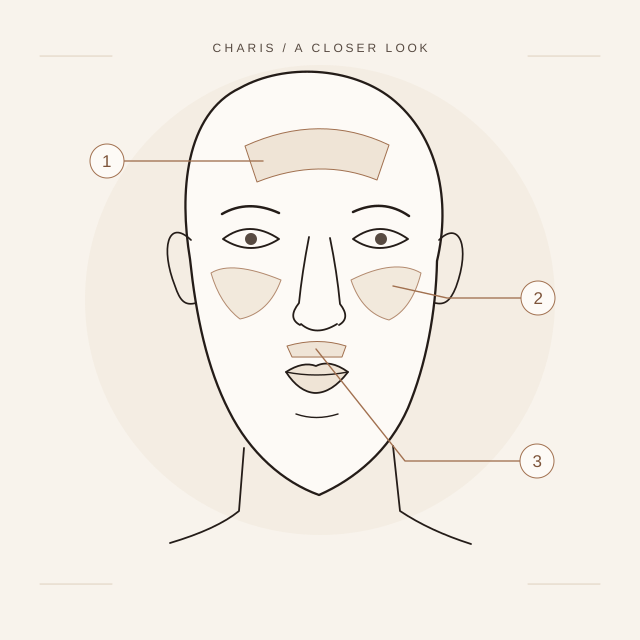
A closer look
A pattern that still needs a diagnosis
Forehead
The forehead can be involved alongside other facial areas.
Cheeks
Patches commonly affect both sides, though the pattern varies.
Upper lip
The skin above the lip may be involved; location alone does not diagnose melasma.
Illustrative distribution, not a clinical photograph. Shade is symbolic and does not represent one particular skin tone.
What management actually looks like
Sun protection first and without exception: broad-spectrum SPF 50, reapplied through the day, ideally a tinted mineral formulation because visible light as well as UV contributes to melasma. This is not the boring preamble to the real treatment — it is the treatment that does the most work.
Then careful topical treatment to calm pigment production, introduced gradually. Then gentle, well-prepared peels rather than aggressive ones, with the skin prepared for several weeks beforehand.
Where a hormonal trigger is identifiable, a conversation with your GP about whether it can be changed is part of the plan rather than an afterthought.
What to avoid
Heat-generating treatments. Aggressive resurfacing. Sunbeds, obviously. And any clinic that promises to clear melasma permanently — if someone guarantees a cure for a chronic relapsing condition, that alone tells you enough about how they will handle the rest of your care.
Also worth avoiding: starting an intensive course in early summer. If you are going to do this properly, autumn and winter are the sensible seasons.
Realistic expectations
A good outcome is patches that are substantially lighter and less noticeable, with the condition kept stable by ongoing sun protection and maintenance. That is genuinely achievable for most people and it makes a real difference to how skin looks.
Complete permanent clearance is not a realistic aim, and someone offering it is either misinformed or being dishonest. I would rather you heard the ceiling from me before you spend money than after.
The triggers, and what to do about each
Melasma is managed rather than cured, and management is mostly about the things that set it off. This is where the effort actually pays.
| Trigger | Why it matters | What to do |
|---|---|---|
| Ultraviolet light | The dominant driver. Even brief daily exposure keeps it active | High-factor protection every day, reapplied, all year |
| Visible light | Also stimulates it — which ordinary sunscreens do not block | A tinted mineral sunscreen with iron oxides |
| Heat | Cooking, saunas, hot yoga can flare it without any sun at all | Recognise it rather than fight it; keep the face cool where you can |
| Hormonal change | Pregnancy and the combined pill are common starts | Worth discussing with your GP; not something a clinic can adjust |
| Aggressive treatment | Heat and inflammation can make it markedly worse | Conservative, staged treatment — and a practitioner who will decline |
Sources and further reading
This page is general information, not personal medical advice. Every treatment needs an individual assessment, and what is right for someone else may not be right for you.

About the author
Ashleigh Trickett
Registered Nurse & Aesthetic Practitioner
Registered Nurse with a BSc in Nursing and a PGCert in Critical Care (Manchester Metropolitan University, 2025). Ten years in the NHS, four of them in critical care. Advanced facial anatomy education at the Royal College of Surgeons with BAMAN, June 2026. Member of BAMAN and the Aesthetic Complications Expert Group. BAMAN Awards 2026 finalist for Rising Star of the Year.
Treatments this relates to
- Chemical Peels£80
A resurfacing treatment that accelerates cell turnover — used for pigmentation, congestion, texture and dullness.
- MicroneedlingFrom £150
Controlled micro-injury that prompts the skin to remodel — used for texture, scarring, pore size and overall quality.
Common questions
- Can melasma be cured?
- No. It is a chronic condition that is managed rather than cured. It can be substantially lightened and kept stable, and it can recur with sun exposure or hormonal change.
- Will it go away after pregnancy?
- Sometimes it fades considerably in the months after pregnancy or after stopping a hormonal trigger. Sometimes it does not, and it persists and needs managing.
- Can I have a chemical peel for melasma?
- Carefully, gently, and after the skin has been prepared for several weeks. Aggressive peeling frequently makes melasma rebound worse, so this is not an area for a fast or forceful approach.
- Does SPF really make that much difference?
- It is the single most effective thing you can do, and nothing else works durably without it. Visible light contributes as well as UV, which is why a tinted mineral SPF is usually recommended over a clear chemical one.
- How long before I see improvement?
- Months rather than weeks, and it needs maintenance afterwards. Anyone promising to clear it in one or two sessions is not being straight with you.
Read next
Skin
Treating pigmentation on the face
Sun damage, post-inflammatory marks and melasma look similar and are treated differently — how to tell them apart, what actually works, and what makes each of them worse.
Skin
Chemical peel aftercare and recovery
What to expect day by day, what to use, and the one mistake that undoes the treatment.
Skin
Why skin looks dull, and what actually helps
Dullness is a light problem before it is a skin problem. What causes it, what fixes it quickly, and what fixes it properly.
Get in touch
Book a consultation
Consultations are £30, and that comes off the cost of your treatment if you go ahead. No pressure to book anything on the day — if you are not sure whether you want treatment at all, that is still a good reason to come and talk.