
Treating pigmentation on the face
Sun damage, post-inflammatory marks and melasma look similar and are treated differently — how to tell them apart, what actually works, and what makes each of them worse.
Facial pigmentation is one of the few skin concerns where getting the diagnosis right matters more than the treatment you choose. The same brown patch can be sun damage, the fading mark left by a spot, or melasma, and a treatment that clears one can visibly worsen another. This page is about telling them apart first.
The three you are most likely to have
Sun-induced pigmentation — solar lentigines, or what most people call age spots — appears as discrete, well-defined brown patches on the areas that catch the most light: cheekbones, forehead, nose, the backs of the hands. It accumulates over decades and it does not fade on its own.
Post-inflammatory hyperpigmentation is the flat brown or grey mark left behind after a spot, an ingrown hair or any other inflammation of the skin. Its distinguishing feature is that it sits exactly where the inflammation was. It usually fades by itself, but that can take months, and in deeper skin tones it takes longer.
Melasma is different from both. It presents as larger, symmetrical, ill-defined patches — usually across the cheeks, upper lip and forehead — and it is driven by hormones as well as light. It is a chronic condition that is managed rather than cured, and it is the one that heat and aggressive treatment will make worse. If your pigmentation is symmetrical and appeared during pregnancy or after starting hormonal contraception, read the separate melasma guide before booking anything.
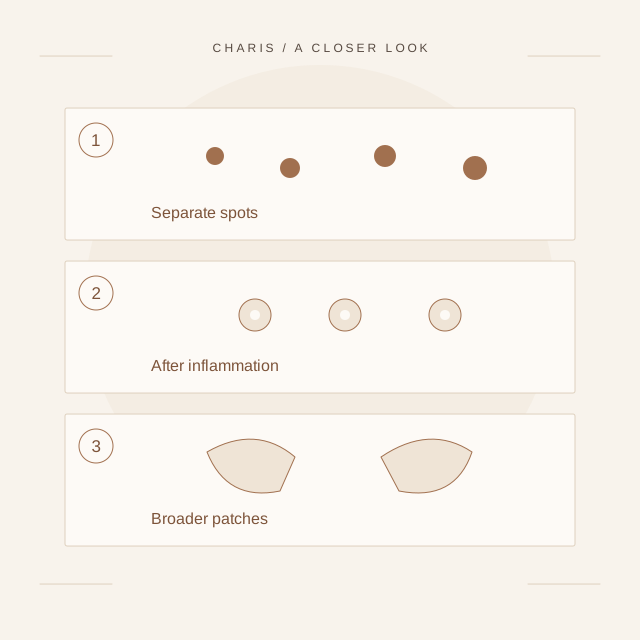
A closer look
Colour changes can have different causes
Sun-related spots
Often appear as separate darker areas on sun-exposed skin.
After inflammation
Marks can remain where a spot or irritation has been.
Melasma
Often forms broader patches on both sides of the face. A clinician needs to distinguish it from other causes.
Patterns overlap and vary with skin tone. A new or changing lesion needs clinical assessment rather than cosmetic treatment.
Why sunscreen is not the boring answer
Every pigmentation problem is driven or sustained by ultraviolet light, and in melasma also by visible light and heat. Treating pigment without controlling exposure is emptying a bath with the tap running — the treatment lightens what is there while new pigment is laid down behind it.
A broad-spectrum SPF 50 used every day, all year, is the single most effective intervention available for this concern, and it is the cheapest. For melasma and for deeper skin tones a tinted mineral sunscreen is better still, because the iron oxides in the tint block visible light in a way clear chemical filters do not.
I say this before naming a single treatment because a clinic that skips it is selling you a course you will need to repeat. If you are not willing to wear sunscreen daily, tell me at consultation — it changes what is worth doing, and I would rather adjust the plan than watch it fail.
What treatment can add
Chemical peels work by controlled exfoliation, accelerating the turnover that carries pigmented cells to the surface and away. For sun damage and post-inflammatory marks a course of superficial to medium-depth peels is a reliable option, and it improves texture and tone at the same time.
Microneedling helps by a different route — creating a controlled healing response that remodels the skin over weeks — and it is particularly useful where pigmentation sits alongside texture problems or acne scarring. In melasma it needs a much more cautious hand, because inflammation is part of what drives the condition.
Topical treatment is doing more of the work than most people credit. A well-built routine with a vitamin C in the morning, a retinoid at night and a pigment-targeting agent will visibly improve most pigmentation given three to six months, and it is what holds the result after a course of treatment ends.
What makes it worse
Heat. Not only sunlight but hot yoga, saunas, standing over an oven and, in melasma particularly, heat-based devices used on the face. Melasma responds to temperature as well as to light, which is why some laser treatments have made it dramatically worse.
Aggressive treatment of any kind in deeper skin tones. Any inflammation risks leaving post-inflammatory pigment behind, so the treatment intended to fix the marks can create new ones. This is a reason to be treated conservatively and in stages rather than to avoid treatment altogether.
Picking. Squeezing a spot deepens and prolongs the mark it leaves, often by months. It is unglamorous advice, and it is the one that would prevent most of the post-inflammatory pigmentation I see.
A realistic timeline
Nothing here is fast. A course of peels usually runs to four to six sessions at three to four week intervals, with visible improvement building across it. Topical routines need a full skin cycle to show anything and three months to be judged fairly.
I photograph before we start, in the same position and the same light, because pigmentation fades slowly enough that day-to-day comparison is unreliable and people frequently conclude nothing is happening when it is.
The result is maintained rather than finished. Sun protection, an ongoing topical routine and occasional maintenance treatment is what keeps it; stopping all three returns you to where you began within a year or two.
Telling the three apart
They look similar in a mirror and behave completely differently, so the first job is working out which you have.
Scroll the table sideways →
| Sun damage | Melasma | Post-inflammatory | |
|---|---|---|---|
| Shape | Discrete spots and freckling | Broad, symmetrical patches | Sits exactly where a spot or injury was |
| Where | Face, hands, chest — wherever the sun reaches | Cheeks, forehead, upper lip | Anywhere something happened |
| Triggered by | Cumulative UV over years | UV, heat, visible light, hormones | A single inflammatory event |
| Responds to treatment | Well | Partially, and it recurs | Usually fades on its own with time |
| Comes back | Slowly, with more sun | Readily | No, unless the spot does |
The middle column is the one to be sure about before spending anything, because treatment that suits the other two can make melasma worse.
Sources and further reading
- NHS — Melasma
- NHS — Sunscreen and sun safety
- NHS — Chemical peels
- British Association of Dermatologists — patient information
This page is general information, not personal medical advice. Every treatment needs an individual assessment, and what is right for someone else may not be right for you.

About the author
Ashleigh Trickett
Registered Nurse & Aesthetic Practitioner
Registered Nurse with a BSc in Nursing and a PGCert in Critical Care (Manchester Metropolitan University, 2025). Ten years in the NHS, four of them in critical care. Advanced facial anatomy education at the Royal College of Surgeons with BAMAN, June 2026. Member of BAMAN and the Aesthetic Complications Expert Group. BAMAN Awards 2026 finalist for Rising Star of the Year.
Treatments this relates to
- Chemical Peels£80
A resurfacing treatment that accelerates cell turnover — used for pigmentation, congestion, texture and dullness.
- MicroneedlingFrom £150
Controlled micro-injury that prompts the skin to remodel — used for texture, scarring, pore size and overall quality.
- Skin BoostersFrom £200
The category explained — what a skin booster is, how the options differ, and how to work out which one you actually need.
Common questions
- Can pigmentation be removed permanently?
- Individual sun spots can be cleared and may not return in the same place, but the tendency remains and new ones form with further exposure. Melasma in particular is managed rather than cured. Anyone offering permanent clearance is overstating what is achievable.
- Is a peel safe on darker skin?
- Superficial peels can be used safely across skin tones, but the choice of agent and depth matters much more, and the risk of post-inflammatory pigmentation makes a cautious, staged approach essential. A patch test and a proper assessment of your skin type come first.
- Why has my pigmentation got worse since I started treatment?
- Two common reasons: it is melasma being treated as if it were sun damage, or sun exposure has not been controlled alongside the treatment. Both are worth reassessing rather than pushing on with more of the same.
- Do over-the-counter brightening products work?
- Some do, given time and consistency — vitamin C, azelaic acid, niacinamide and retinoids all have evidence behind them. They work more slowly than in-clinic treatment and they work best as the maintenance layer underneath it.
- Should I see a GP instead?
- See your GP or a dermatologist about any pigmented lesion that is changing in size, shape or colour, is asymmetrical, or bleeds. Cosmetic treatment of pigmentation assumes the pigmentation is benign, and that assessment comes first.
Read next
Skin
Melasma: what it is and how it is managed
A chronic, hormonally driven pigmentation condition — managed rather than cured, and very easily made worse by the wrong treatment.
Skin
Chemical peel aftercare and recovery
What to expect day by day, what to use, and the one mistake that undoes the treatment.
Skin
Why skin looks dull, and what actually helps
Dullness is a light problem before it is a skin problem. What causes it, what fixes it quickly, and what fixes it properly.
Skin
Improving skin texture
Roughness, visible pores and an uneven surface — what causes them, what genuinely improves them, and what no treatment can change.
Skin
Treating acne scarring
Which scars respond to which treatment, why the acne has to be settled first, and what a realistic improvement looks like.
Get in touch
Book a consultation
Consultations are £30, and that comes off the cost of your treatment if you go ahead. No pressure to book anything on the day — if you are not sure whether you want treatment at all, that is still a good reason to come and talk.