
A guide to healthier, radiant skin
What actually makes skin look healthy and bright, in the order it matters: protection, a simple routine, the habits that show on your face, and where clinic treatment fits.
Charis Aesthetics · Consultation planning guide · Published . This guide has not been clinically reviewed by Ashleigh.
Radiant skin is mostly the result of skin that is working well: an intact barrier holding in water, an even surface that reflects light, and steady cell turnover. Most of that is decided at home, every day, long before any treatment. This guide sets out what is worth doing, in the order it matters, and where clinic treatment genuinely adds something.
Start with protection
Daily sun protection is the single habit with the strongest evidence for keeping skin healthy-looking as it ages. Ultraviolet light breaks down collagen, drives uneven pigmentation and roughens the surface, and much of that happens on ordinary grey days, not only on holiday.
A broad-spectrum sunscreen of SPF 30 or higher, applied every morning to the face, neck and backs of the hands, does more for long-term radiance than any serum. The NHS guidance on sun safety is a sensible baseline.
Look after the barrier
The outer layer of skin is a barrier that keeps water in and irritants out. When it is disrupted, skin looks dull, feels tight and reacts more easily. Over-cleansing, harsh scrubs and stacking several strong active products are the usual causes.
- Cleanse gently, once or twice a day, with a product that does not leave skin squeaky or tight.
- Moisturise to support the barrier, especially in winter and after cleansing.
- Introduce one active ingredient at a time, so you can tell what suits you and what irritates.
- If skin is stinging, flaking or red, simplify before adding anything new.
Gentle and consistent beats strong and occasional. Skin that is not inflamed reflects light more evenly, and that evenness is most of what people mean by a glow.
A simple routine that is worth keeping
| Morning | Evening | |
|---|---|---|
| Cleanse | Gentle cleanser or water | Gentle cleanser, removing sunscreen and make-up |
| Treat | An antioxidant serum, such as vitamin C, if it suits you | A retinol or exfoliating acid on some nights, introduced slowly |
| Moisturise | Moisturiser | Moisturiser |
| Protect | SPF 30 or higher, every day | — |
Retinol and exfoliating acids speed up cell turnover and improve texture, but they can irritate. Start a few nights a week and build up. Avoid retinoids if you are pregnant or trying to conceive, and ask your pharmacist or GP if you are unsure.
The habits that show on your face
Smoking reduces blood flow to the skin and accelerates the breakdown of collagen; stopping is one of the most visible things anyone can do for their skin. Sleep, hydration, alcohol and stress all show too, usually as dullness and puffiness rather than lines.
None of this needs to be perfect. But treatment layered on top of skin that is sunburnt, irritated or chronically short of sleep gives a smaller, shorter-lived result than the same treatment on skin that is otherwise looked after.
Where clinic treatment fits
Once the foundations are in place, clinic treatment can do what a routine cannot: work deeper in the skin, or remove the dull outer layer more effectively than a home product.
- Chemical peels and facials remove dead surface cells to brighten and smooth.
- Microneedling stimulates the skin's own repair response, which helps texture and fine scarring over a course.
- Skin boosters deliver fine hyaluronic acid into the skin for hydration and a dewy finish.
- Polynucleotides support skin quality and are often chosen for thinner, crepey areas.
Which, if any, suits you depends on your skin and what is bothering you. A consultation is where that is worked out, and sometimes the honest answer is that a better routine will do more than a treatment.
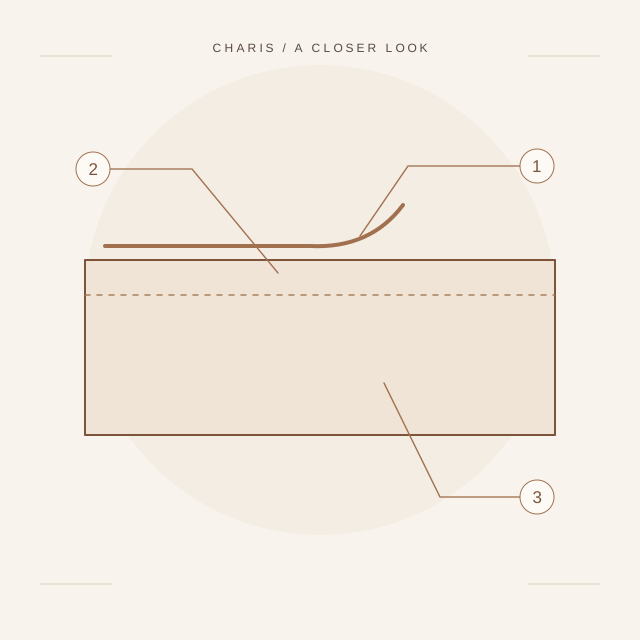
A closer look
Surface care has limits
Outer surface
Exfoliating treatments act on the surface to different degrees.
Treatment choice
The method and intensity depend on the skin and the treatment being discussed.
Recovery
A gentler routine and the written aftercare plan help protect recovering skin.
A conceptual surface diagram, not a shared mechanism or depth for every exfoliating treatment.
Sources and further reading
This page is general information, not personal medical advice. Every treatment needs an individual assessment, and what is right for someone else may not be right for you.
Treatments this relates to
- Chemical Peels£80
A resurfacing treatment that accelerates cell turnover — used for pigmentation, congestion, texture and dullness.
- Facial£59
A thorough facial: double cleanse, exfoliation, dermaplaning where your skin needs it, then a soothing moisturiser finished with SPF 50.
- MicroneedlingFrom £150
Controlled micro-injury that prompts the skin to remodel — used for texture, scarring, pore size and overall quality.
- Skin BoostersFrom £200
The category explained — what a skin booster is, how the options differ, and how to work out which one you actually need.
- PolynucleotidesFrom £195
Regenerative injectable treatment that works on skin quality — hydration, elasticity and firmness — rather than adding volume.
Common questions
- What is the quickest way to make skin look brighter?
- Gentle exfoliation and good hydration give the fastest visible change, and a professional peel or facial gives more. Lasting brightness comes from daily sun protection and a routine you keep up.
- Do I need expensive skincare?
- No. A gentle cleanser, a moisturiser and a daily SPF do most of the work. Spend on active ingredients only once those are in place, and introduce them one at a time.
- Why does my skin look dull even though I look after it?
- Common causes are a build-up of dead surface cells, a disrupted barrier from too many active products, and dehydration. The guide to dull skin goes into each of these in more detail.
Read next
Skin
Why skin looks dull, and what actually helps
Dullness is a light problem before it is a skin problem. What causes it, what fixes it quickly, and what fixes it properly.
Skin
Improving skin texture
Roughness, visible pores and an uneven surface — what causes them, what genuinely improves them, and what no treatment can change.
Skin
Treating pigmentation on the face
Sun damage, post-inflammatory marks and melasma look similar and are treated differently — how to tell them apart, what actually works, and what makes each of them worse.
Skin
Chemical peels or microneedling?
Compare how peels and microneedling differ, what to ask about recovery and how to plan the cost and visits before choosing a treatment.
Choosing a practitioner
Anti-ageing treatments that actually work
An honest look at which anti-ageing treatments have real evidence behind them, what each one changes, and how to match the treatment to what is actually bothering you.
Request a consultation
Tell me what you have in mind
Leave us your name and number and I will give you a call to discuss and book you in for a consultation.
Get in touch
Book a consultation
Consultations are £30, and that comes off the cost of your treatment if you go ahead. No pressure to book anything on the day — if you are not sure whether you want treatment at all, that is still a good reason to come and talk.