
Lip filler swelling: what is normal
A day-by-day account of normal swelling, what reduces it, and the difference between swelling and something that needs a phone call.
Swelling after lip filler is expected, and it is the single most common reason people panic in the first 24 hours. Lips swell more than anywhere else on the face because the tissue is loose, richly supplied with blood, and constantly moving. Knowing the normal shape of it makes the first few days considerably easier to sit through.
Why lips swell more than other areas
The lip is mobile tissue with a generous blood supply and very little to hold fluid in place. Any injection causes a small inflammatory response, and in the lip that response has room to spread.
Some of the early swelling is also the product itself drawing in water — hyaluronic acid is hydrophilic by design, which is part of how it works. That component settles over the first week or two as the product integrates.
The usual timeline
Day one: significant swelling, frequently uneven. Lips can look considerably larger than what you asked for, and it is normal to feel alarmed.
Day two: often the peak, and usually the worst it will look. Many people describe day two as worse than day one.
Days three to four: swelling drops noticeably and the shape starts to emerge.
Day seven: close to the final result.
Day fourteen: settled. This is the point at which the result should be judged, and when we review together.
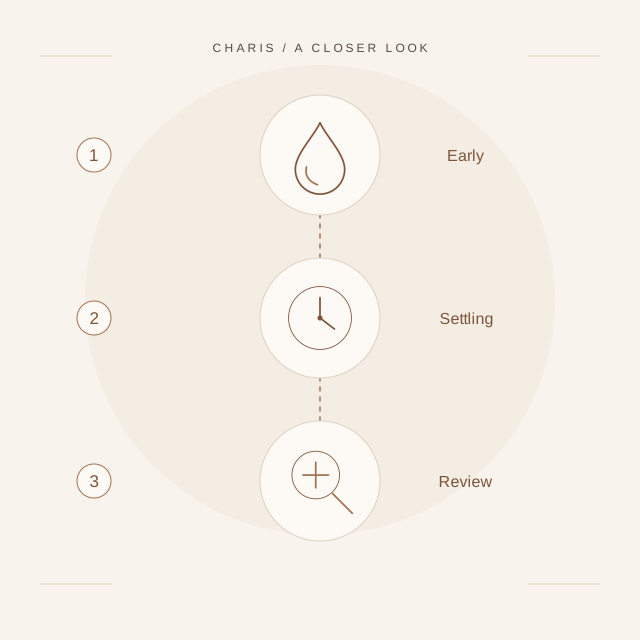
A closer look
Swelling is not the final result
Early response
Injection and the product can both contribute to initial swelling.
Settling
The appearance changes during recovery and can be uneven. Timing varies between people.
Assessment
Persistent or concerning changes need assessment; appearance or timing alone cannot rule out a complication.
This is a sequence, not a recovery graph. New vision changes, unusual pain or pale or mottled skin need urgent help.
Asymmetry in the first week
Very common, and usually a reflection of uneven swelling rather than uneven placement. One side often swells more than the other for no reason anyone can identify.
It is genuinely not possible to assess symmetry properly until things have settled, which is why I will not adjust anything before two weeks even if you ask me to. Adjusting a swollen lip means adjusting to a shape that will not exist in a fortnight.
What reduces it
A cool compress in the first 24 hours, applied gently and not pressed. Sleeping with your head slightly elevated on the first night. Staying hydrated.
Avoiding alcohol, strenuous exercise, saunas, steam rooms and very hot drinks for the first day or two — all of them increase blood flow to the area.
Antihistamines help some people, as a proportion of early swelling is histamine-driven. Arnica is popular; the evidence is weak but it is harmless. Check with me before taking anything alongside other medication.
Avoid anti-inflammatory painkillers like ibuprofen in the first 24 hours if you can, as they can increase bruising.
When swelling is not just swelling
The single most useful rule: swelling improves. If yours is getting worse after day two, that is not the normal course.
Ring me straight away for severe or increasing pain rather than settling pain, blanching or white patches on or around the lips, skin turning dusky, blue or mottled, or pain out of proportion to how things look. Those can indicate a vascular occlusion, which is rare, is an emergency, and is very treatable when caught early.
Also ring for fever, spreading redness or discharge, which suggest infection, or for a cold sore developing.
I would far rather see you and find nothing than have you wait it out overnight because you did not want to make a fuss.
Planning around it
Do not book lip filler within two weeks of a wedding, holiday, photograph or significant event. Three weeks is more comfortable.
If you have never had it before, consider booking when you have a couple of quiet days afterwards. Not because you cannot function — you can — but because looking in the mirror on day two is easier without an audience.
The swelling timeline, day by day
| When | What is normal | What is not |
|---|---|---|
| First few hours | Rapid swelling, tightness, small firm lumps | Blanching, white or dusky patches, pain out of proportion |
| Day 1–2 | Peak swelling — the point where most people panic | Spreading redness, heat, fever |
| Day 3–4 | A clear drop; bruising may surface now | Swelling that is still increasing |
| Day 5–7 | Close to the shape you will keep; minor asymmetry common | New pain, or a lump that is growing |
| Day 14 | Settled. This is the result | Anything firm, tender or changing |
Sources and further reading
This page is general information, not personal medical advice. Every treatment needs an individual assessment, and what is right for someone else may not be right for you.

About the author
Ashleigh Trickett
Registered Nurse & Aesthetic Practitioner
Registered Nurse with a BSc in Nursing and a PGCert in Critical Care (Manchester Metropolitan University, 2025). Ten years in the NHS, four of them in critical care. Advanced facial anatomy education at the Royal College of Surgeons with BAMAN, June 2026. Member of BAMAN and the Aesthetic Complications Expert Group. BAMAN Awards 2026 finalist for Rising Star of the Year.
Treatments this relates to
- Signature Lips£220
Hyaluronic acid lip enhancement built around your existing anatomy — shape and balance before volume.
- Dermal Filler DissolvingFrom £200
Removal of hyaluronic acid filler — for migration, overfilling, or a result that no longer suits you.
Common questions
- How long does lip filler swelling last?
- Most settles within 48 to 72 hours. Full settling takes about two weeks, which is when the result should be judged and when we review.
- My lips are uneven — has it gone wrong?
- Asymmetry in the first week is common and usually reflects uneven swelling. Judge symmetry at two weeks. If it is still uneven then, tell me and we will address it.
- Is day two supposed to be worse than day one?
- Frequently, yes. Peak swelling is often at 24 to 48 hours rather than immediately. It catches people out because they assumed the worst was over.
- Can I take antihistamines or ibuprofen?
- Antihistamines help some people. Avoid ibuprofen and other anti-inflammatories in the first 24 hours where you can, as they can increase bruising. Check with me if you take other medication.
- When should I actually be worried?
- Swelling that worsens after day two, severe or increasing pain, any blanching or white patches, or skin turning dusky or mottled. Ring immediately — do not wait until morning.
Read next
Lips
Lip filler aftercare
What to do in the first forty-eight hours, what is normal in the first week, and the specific symptoms that mean you should contact me immediately rather than wait.
Lips
Filler migration: what it is and what to do
How to tell migration from swelling, why it happens, and why the right answer is almost always to dissolve and start again rather than to add more.
Choosing a practitioner
When filler has gone wrong
How to tell a bad result from normal settling, what can be corrected, and what to do next.
Lips
How to get lip filler that looks natural
Natural is a proportion problem, not a volume problem. What actually makes lips read as done, and the specific things to ask for — and to refuse — at consultation.
Lips
How much lip filler do I need? What 0.5ml and 1ml actually look like
0.5ml is half of 1ml and is the right starting point for most first-time lips. What each amount changes, why more is rarely better, and how to tell what you actually need.
Get in touch
Book a consultation
Consultations are £30, and that comes off the cost of your treatment if you go ahead. No pressure to book anything on the day — if you are not sure whether you want treatment at all, that is still a good reason to come and talk.